
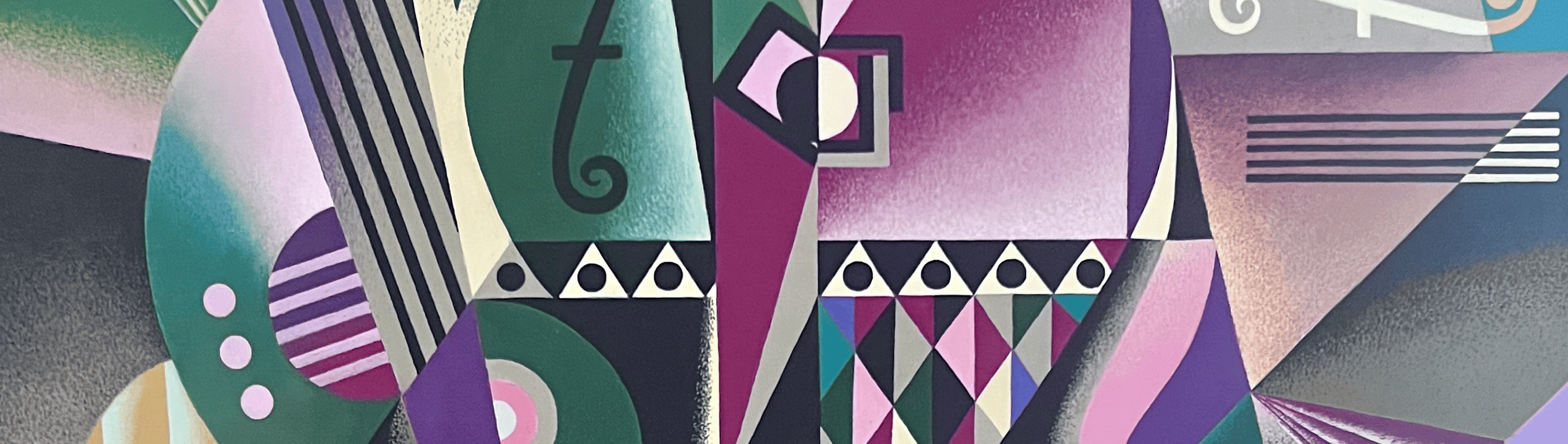

Picasso returned continuously to the unassuming theme of motherhood, reworking it each time through a different technical vocabulary.

A seemingly simple piece of cloth is one of art history's great symbols, depicted over time in iconography, weddings, romance, and more.

Painters used the tiger to represent conquest, luxury, terror, and protection, each one building a version suited entirely to their own purpose.

An empty chair has marked grief for centuries, and painters turned that instinct into one of painting's most effective portraits of absence.

Long before Trinity iconography was standardized, artists painted God with three faces on one head, until the Vatican banned the imagery outright.

From the Northern Renaissance to Cubism, see how deceit, chance, and gambling made card players a recurring motif across six major art movements.

From Lorenzo Monaco's gilded Adoration to Piero della Francesca's night sky, these 15th-century paintings trace how sacred light replaced gold leaf.

From Cranach's Eden to Carrington's alchemical garden, these paintings remake the garden as a space of desire, moral weight, and female power.

From religious ceremonies and weddings to picnics and luncheons, artists have long used gatherings to explore community, leisure, ritual, and connection.

Joan Miró transformed stars, birds, women, moons, and floating biomorphic forms into one of the twentieth century’s most recognizable symbolic visual languages.

ArtRKL is an independent art publication exploring art history, artists, and culture. Subscribe for free to receive our newest articles, plus a weekly essay written exclusively for subscribers.
©ArtRKL® LLC 2021-2026. All rights reserved. This material may not be published, broadcast, rewritten or redistributed. ArtRKL® and its underscore design indicate trademarks of ArtRKL® LLC and its subsidiaries